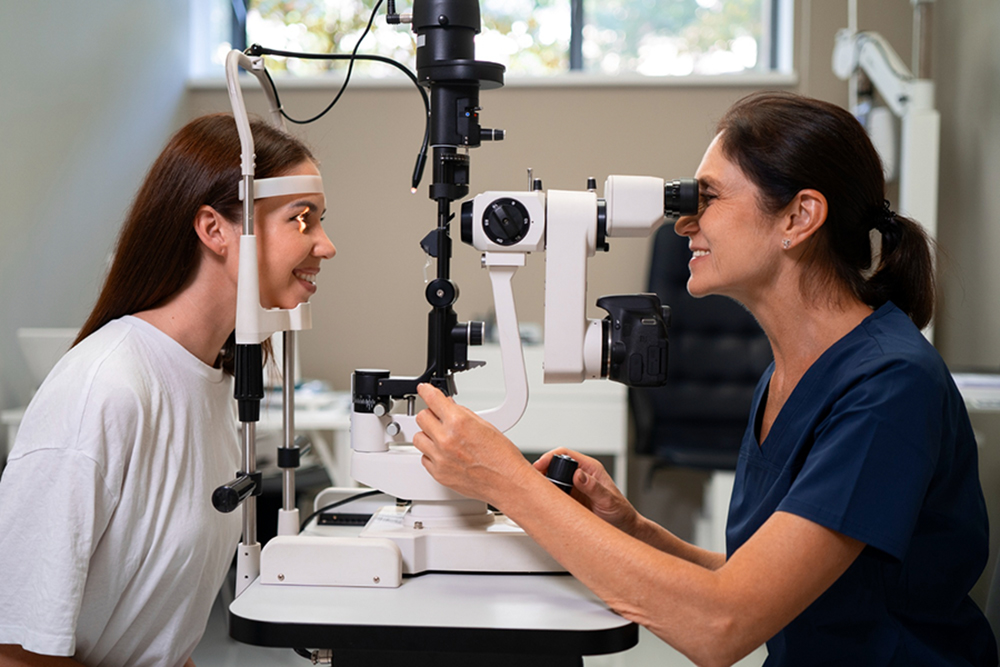
Does Health Insurance Cover Eye Exams?
Being one of the most crucial components of overall health, eye care is often overlooked until vision problems arise. Whether a child struggles to see the board at school, an adult faces blurry vision, or a senior manages age-related conditions, regular eye exams can be key to early detection and prevention of larger health issues. And yet, many people are uncertain whether these important checkups are included in their health insurance plans.
One of the most frequently asked questions is: 'Does health insurance cover eye exams?'. The answer isn't always straightforward, as coverage can vary widely depending on your type of insurance, whether you also carry vision insurance, age, or even specific health conditions. Knowing what your policy includes can significantly affect how often you seek care and what you'll pay out of pocket. Eye exams not only help determine whether you need glasses or contact lenses, but they can also reveal signs of other severe health conditions like diabetes, hypertension, and even neurological issues. Routine eye care should be part of everyone's health plan.
This blog aims to break down the often confusing world of insurance coverage for eye care. We'll help you navigate the differences between general health insurance and vision insurance, understand Medicare coverage for seniors, and provide insights into what you can expect if you don't have a separate vision policy.
What is Health Insurance? And Vision Insurance?
When navigating healthcare options, it's important to understand the difference between health insurance and vision insurance: two types of coverage that serve distinct purposes but are often confused.
Health insurance is an agreement between you and your insurance provider designed to help cover the cost of medical care. It's the primary form of coverage for most Americans through employer-sponsored plans, government programs like Medicare or Medicaid, or individual policies purchased via the health insurance marketplace.
Typical health insurance plans cover a broad range of medical services, including:
- Doctor visits and specialist consultations
- Emergency care and hospitalizations
- Surgeries and diagnostic tests
- Prescription medications
- Preventive services such as vaccines and annual checkups.
However, unless specifically stated, most health insurance plans do not include routine vision care. This is a common misconception; people often assume their health insurance covers everything from dental to eye care. Vision is generally considered a separate category, especially for adults.
Vision insurance is a standalone plan or an optional add-on to a health insurance policy focusing exclusively on eye health. Its primary purpose is to help reduce out-of-pocket costs for routine eye care and vision correction products.
Standard features of vision insurance include:
- Coverage for annual or biannual eye exams.
- Discounts or allowances on prescription eyeglasses and contact lenses.
- Access to a network of optometrists and eye care centres.
- Potential discounts on corrective procedures like LASIK (Laser-Assisted In Situ Keratomileusis) or PRK (Photorefractive Keratectomy).
These benefits support ongoing eye health and make vision correction more affordable. Vision plans can be beneficial for individuals who need regular updates to their glasses or contacts, as well as for children and seniors who are more likely to experience vision changes.
Why You Might Need Both Health Insurance and Vision Insurance?
If you're trying to decide whether vision insurance is worth it, consider how often you or your family visit the eye doctor or update your glasses or lenses. A vision plan may not be necessary for people with perfect vision or infrequent needs. But for those with prescriptions, existing eye conditions, or a family history of vision issues, adding vision insurance can be a wise financial decision.
Does my Health Insurance Plan Include Coverage for Eye Exams?
In many cases, standard health insurance plans do not include routine eye exams for adults. However, they may cover eye exams if they're deemed medically necessary. For example, suppose an individual has diabetes or an eye disease like glaucoma. In that case, their health insurance might cover the exam to manage their overall health.
Does Medicare Cover Eye Exams for Seniors?
Medicare generally does not cover regular vision exams. However, it may cover eye exams for specific medical conditions, such as diabetic retinopathy or glaucoma testing. Medicare Advantage (Part C) plans may offer additional vision benefits, including routine eye exams.
Can I use my Health Insurance to pay for Eye Exams Even if I don't Have Vision Insurance?
It depends on your medical situation and the reason for the exam. If the eye exam is to investigate a medical issue, for example, vision changes due to diabetes or injury, your health insurance may cover it. However, general checkups for glasses prescriptions typically fall under vision insurance.
How often will Health Insurance Cover Eye Exams?
There isn't a one-size-fits-all answer. Some insurance policies might cover one eye exam annually if necessary, while others offer coverage every two years. Coverage frequency often depends on whether the plan includes routine vision benefits.
Are there Any Out-Of-Pocket Costs for Eye Exams Under Health Insurance?
Yes, even when eye exams are covered, you may still face out-of-pocket costs such as co-pays or deductibles. These costs can vary based on your plan's structure and whether the provider is in-network.
Do All Health Insurance Plans Cover Eye Exams, or is it Specific to Certain Plans?
Not all health insurance plans cover eye exams. Employer-sponsored plans may offer optional vision add-ons, and individual policies often require a separate vision plan. Reviewing your plan details or speaking directly with your provider is important to understand what's included.
What Should I Check with My Insurance Provider to Confirm Eye Exam Coverage?
Contact your insurance provider directly to find out 'Does your health insurance cover eye exams?'. Ask about routine vs. medical eye exam coverage, in-network providers, co-pay amounts, and the frequency of covered exams. Getting a detailed explanation upfront can help you avoid unexpected costs.
Understanding 'Does health insurance cover eye exams?' is important for planning routine visits and detecting early signs of cataracts, glaucoma, or retinal disease. Routine eye exams can reveal issues that might not show any symptoms until they progress significantly.
Many health insurance plans for children, mainly those compliant with the Affordable Care Act, cover routine vision care, including eye exams. This is critical for detecting vision problems that can affect learning and development. In contrast, adult coverage is less common unless vision insurance is added.
Some states also have specific mandates requiring health plans to offer vision coverage to children or special populations. For example, Medicaid often includes vision benefits for eligible individuals, typically covering one eye exam per year along with glasses or contacts if prescribed. Even if your plan doesn't explicitly state routine vision coverage, it's worth checking the fine print.
Sometimes, coverage is bundled with wellness benefits or preventive care. Still wondering, 'Does health insurance cover eye exams?' if they are not medical emergencies? It might depend on the context and the provider's service classification.
Employer-sponsored plans, which may include optional vision coverage at group rates, are also worth mentioning. If you're employed full-time, it's a good idea to ask your HR department what benefits are included in your health insurance package.
The type of eye care provider you see can also affect your coverage. Many plans only cover visits to ophthalmologists (medical doctors specializing in eye care) and not optometrists, unless vision coverage is included. Again, this is where calling your insurer becomes crucial.
To conclude, 'Does health insurance cover eye exams?' Yes, but it's conditional. Health insurance often occurs if the exam is linked to a medical diagnosis or issue. But if it's a routine checkup to update your glasses prescription, you'll likely need separate vision coverage. Don't let confusion keep you from getting the eye care you need.
Disclaimer: The information provided on this blog is for informational purposes only and is not intended as medical advice. Always consult with a qualified healthcare professional before making any health-related decisions.
Source: healthcare.gov